Strength and Style Combined in Every Retaining Wall
Creative Landscape Design Designing Attractive Exterior Spaces Customized to Your Preferences
Innovative landscape design transforms outdoor spaces, transforming them into custom retreats that reflect individual preferences. By meticulously evaluating dimensions, sunlight, and current elements, designers craft practical spaces that serve various needs. Sustainability plays a crucial role, incorporating native plants and environmentally friendly materials. This approach not only improves beauty but also builds a stronger connection with nature. Understanding the essential elements of modern landscape design can uncover new opportunities for any outdoor area. What might those possibilities involve?
Determining Your Outdoor Space Specifications
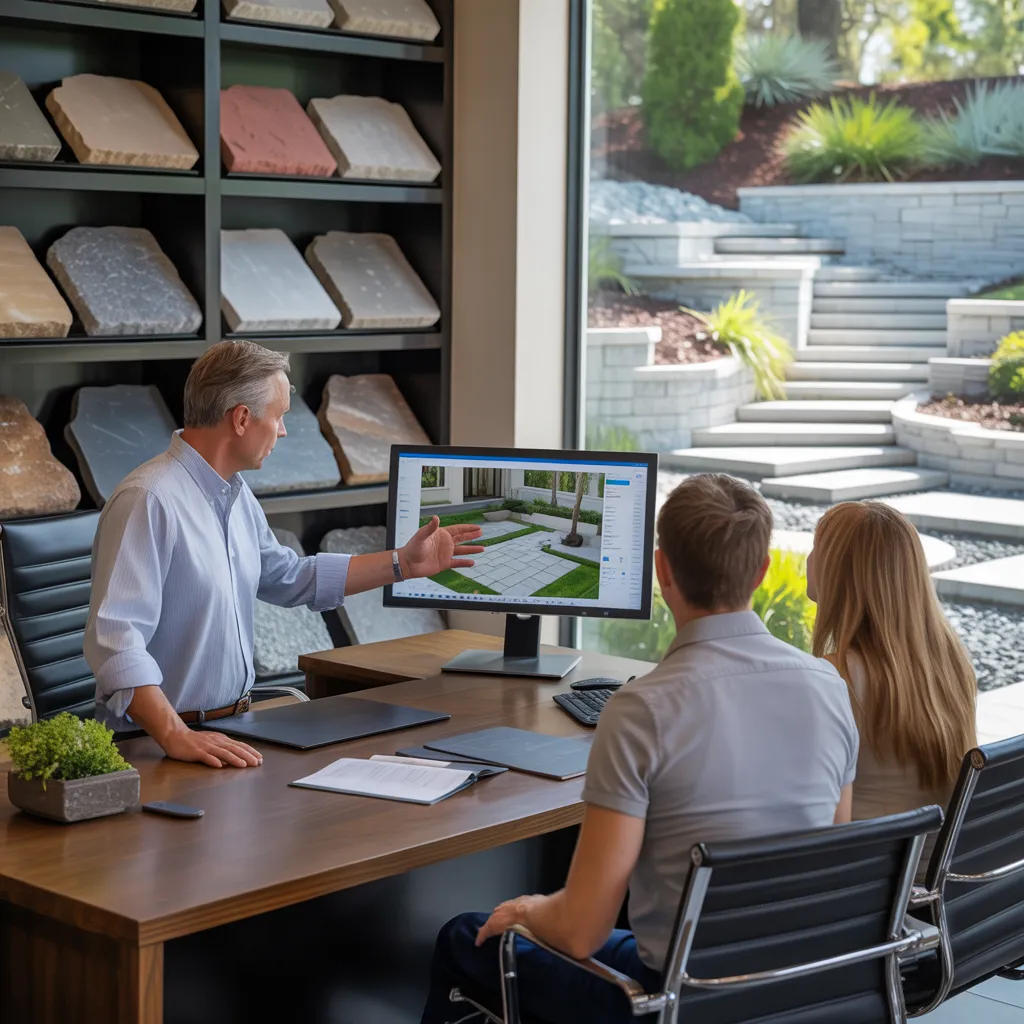
What is the best way to effectively evaluate the requirements of an outdoor space? The process of assessing outdoor space needs starts with a thorough examination of the area. This involves measuring dimensions, noting sunlight patterns, and noticing existing features like trees, slopes, and structures. Monitoring how the space is used—whether for leisure, entertaining, or gardening—aids in clarifying its purpose. Moreover, considering the local climate can help in plant choices and material selection.
Next, potential challenges, such as drainage issues or soil quality, must be addressed to make certain a practical outdoor space. Soliciting feedback from household members or potential users can reveal diverse needs, enhancing the design process. Finally, checking local zoning laws and ordinances will make sure that any planned modifications respect community standards. By systematically analyzing these factors, one can develop a thorough understanding of their outdoor space requirements, laying a solid foundation for future design considerations.
Balancing Functionality with Design Beauty
Structuring for functionality and aesthetics involves a careful balance between eco-friendly materials and structural components. Creating versatile outdoor living areas maximizes operational efficiency while fostering conservation efforts that benefit the ecology. This philosophy not only magnifies the visual appeal but also guarantees that outdoor spaces deliver their intended purpose skillfully.
Unifying Nature And Architectural Framework
Effective landscape planning effortlessly combines natural elements with structural components, producing spaces that are both practical and visually attractive. This balance is achieved by carefully considering the connections between vegetation, hardscapes, and constructed features. By selecting materials that complement the surrounding environment, landscape architects can enhance visual appeal while ensuring durability and practicality. Strategic placement of trees, shrubs, and flowers can reduce rigid lines, while pathways and outdoor living areas provide functional areas that encourage outdoor use. Furthermore, incorporating water features or landscape contours can enhance the overall ambiance. Ultimately, effective landscape planning reflects the unique characteristics of the location, promoting a harmonious integration of nature and architecture that improves the occupant satisfaction and fosters a feeling of peace.
Versatile External Residential Areas
Outdoor living spaces have the ability to significantly improve a property's functionality and aesthetic appeal. These areas act as additions of the home, offering a seamless connection between indoor and outdoor environments. Carefully designed patios, decks, and gardens can support a range of uses, from entertaining guests to quiet relaxation. Including elements such as outdoor kitchens, fire pits, and comfortable seating zones fosters social interaction while ensuring comfort. Additionally, the careful use of landscaping, including plants and lighting, can create inviting atmospheres that draw the eye. By combining utility with visual appeal, versatile outdoor living areas not only boost the enjoyment of outdoor spaces but also increase overall property value, making them a worthwhile investment for homeowners.
Sustainable Design Practices that emphasize eco-conscious approaches
While many homeowners endeavor to upgrade their landscapes, sustainable design practices offer a noteworthy approach that pairs functionality with aesthetic appeal. By adopting native plants, these designs reduce water usage and maintenance while advancing local biodiversity. Additionally, the use of porous surfaces for pathways and patios allows natural drainage, reducing runoff and erosion. Rain gardens can proficiently manage stormwater, increasing both environmental resilience and visual interest. Moreover, blending in edible landscaping not only provides beauty but also fosters a connection to nature through food production. By emphasizing ecological responsibility without sacrificing style, sustainable design practices create outdoor spaces that are both inviting and environmentally conscious, ultimately enriching the homeowner's experience while fostering a healthier ecosystem.
Embracing Environmental Responsibility in Your Landscape
In the field of landscape design, sustainability plays an crucial role in creating eco-conscious spaces. Highlighting native plant selection, implementing water conservation techniques, and utilizing eco-friendly materials are key strategies for achieving this goal. By integrating these elements, landscapes can thrive while minimizing their ecological footprint.
Native Plant Selection
Selecting indigenous plants for landscaping not only improves the beauty of a space but also supports ecological balance. These plants are adapted to local climates and soils, requiring less maintenance and fewer resources, making them sustainable choices. By integrating native flora, homeowners can create habitats for local wildlife, such as birds and pollinators, promoting biodiversity. Additionally, native plants often possess resistance to local pests and diseases, lowering the need for chemical interventions. This choice bolsters sustainable practices by encouraging natural ecosystems and decreasing water usage. Ultimately, choosing native plants leads to a resilient landscape that flourishes with minimal intervention, supporting current sustainability goals while providing visually pleasing outdoor spaces.
Water Saving Strategies
Effective water management techniques are essential for environmentally aware landscape design, especially in regions experiencing water scarcity. Implementing xeriscaping can greatly reduce water usage by utilizing drought-resistant plants and minimizing lawn areas. Incorporating rain gardens similar article allows for natural water absorption, while also enhancing aesthetic appeal. Drip irrigation systems provide targeted watering, ensuring that plants receive adequate moisture without wastage. Mulching around plants retains soil moisture and suppresses weeds, further promoting water conservation. Additionally, using permeable paving materials aids in groundwater recharge and reduces runoff. These methods not only conserve water but also contribute to the overall health of the landscape, fostering a resilient and environmentally responsible outdoor space. By adopting these techniques, homeowners can create beautiful, sustainable landscapes that thrive with minimal water use.
The use of eco-friendly materials is growing increasingly important for businesses that aim to reduce their environmental footprint.
While traditional landscaping often uses non-eco-friendly materials, choosing sustainable options is essential for creating a more sustainable environment. Using recycled resources, like reclaimed wood and repurposed stone, not only reduces waste but also adds character to outdoor spaces. Incorporating permeable pavers allows for better water management, minimizing runoff and promoting groundwater recharge. Natural fibers like jute and hemp are employed in landscaping textiles, offering biodegradable alternatives to synthetic choices. Additionally, the choice of sustainably sourced plants and native species promotes local ecosystems and cuts down on maintenance needs. By emphasizing eco-friendly materials, landscape designers create beautiful, functional spaces that integrate with nature while advancing environmental responsibility. This approach not only benefits the planet but also enhances the aesthetic charm of outdoor areas.
Making Your Outdoor Haven Unique: Style and Themes
Creating a tailored outdoor area requires careful consideration of style and themes that match the homeowner’s preferences and way of living. Each element, from choosing plants to outdoor building materials, plays a vital role in reflecting personal preferences. For instance, a contemporary theme may incorporate clean lines and minimalist designs, while a natural approach might feature natural stones and weathered wood.
Color schemes furthermore greatly impact the overall setting. Warm earth tones can create a welcoming, inviting space, while bold, vibrant hues might rejuvenate an area. Additionally, themes can vary based on intended use; a quiet Zen garden can provide a peaceful escape, whereas a lively, active space may be perfect for entertaining.
Ultimately, the essential factor lies in harmonizing these elements, ensuring that every aspect of the design reflects the homeowner's individual style, thereby transforming the outdoor area into a genuine retreat.
Important Qualities of Modern Landscape Composition
Modern landscape design is defined by a harmonious combination of functionality and aesthetics, focusing on sustainability and advancement. One vital feature is the integration of native plants, which require less maintenance and support local ecosystems. Hardscaping elements, such as patios, walkways, and retaining walls, enhance usability while offering structure to outdoor spaces. Water control systems, including rain gardens and permeable pavements, address drainage issues and encourage water preservation.
Sustainable strategies, including decomposition and low-water landscaping, further reinforce environmental care. Outdoor lighting not only improves safety but also draws focus to key land features, creating welcoming atmospheres. Incorporating flexible spaces, like outdoor kitchens and seating areas, allows for greater ease of use and delight. Ultimately, the use of technology in landscape design, such as smart irrigation systems, demonstrates a dedication to innovation. Together, these features create cohesive, attractive, and environmentally responsible outdoor environments customized for individual needs.
Seeking the Perfect Landscape Designer for You?
How can someone set about discovering the ideal landscape designer? It commences with pinpointing distinct needs and preferences, including desired styles and functionalities. Next, potential candidates can be sourced through recommendations from friends or online reviews, which provide insight into their expertise and customer satisfaction. Once a shortlist is created, reviewing portfolios becomes vital; this allows one to evaluate the designer's aesthetic sensibilities and project scope.
Follow-up interviews should occur, where inquiries about design philosophy, project timelines, and financial constraints are addressed. It is vital to evaluate communication styles, ensuring that the designer is receptive to ideas and feedback. Ultimately, checking references confirms the choice, confirming the designer's reliability and professionalism. By following these steps, people can confidently select a landscape designer who aligns with their vision, eventually crafting a space that enhances their outdoor experience.

Often Asked Queries
What Represent the Most Up-to-Date Patterns in Garden Landscaping?
Contemporary trends in landscape design incorporate sustainable practices, native plant usage, outdoor living spaces, vertical gardens, and smart technology integration. These elements enhance aesthetics while supporting environmental responsibility and functionality in diverse outdoor environments.
How Can I Maintain My Yard Once It's Been Installed?
To preserve a landscape after installation, consistent irrigation, trimming, and ground cover are crucial. Additionally, checking for insects and plant ailments guarantees plants thrive, while seasonal adjustments help sustain the design's aesthetic and functional appeal over time.
May I Include Edible Plants Into My Design?
Yes, incorporating edible plants into a landscape design is entirely feasible. This approach enhances aesthetics while supplying fresh vegetables, establishing a functional and visually appealing outdoor space that encourages eco-friendly cultivation methods and supports biodiversity.
What Represents the Typical Cost of Landscaping Services?
The common rate of landscaping design offerings usually ranges from $50 to $150 per hour, subject to the designer's skill level and work complexity. Fixed costs may further be charged, totaling between $2,000 to $5,000 per project.
How Can Seasonal Changes Determine Garden Layout Choices?
Seasonal changes significantly impact landscape design choices, as designers must consider plant hardiness, color palettes, and maintenance requirements. Adjusting for seasonal shifts guarantees aesthetic appeal and functionality, promoting year-round enjoyment of outdoor spaces.